 Tracy Fiers
Email:
Phone: 972-346-3612

Celina Travel
We're here to take you places
Dana Thomson
Email:
Phone: 972-346-3612
Tracy Fiers
Email:
Phone: 972-346-3612

Dana Thomson
Email:
Phone: 972-346-3612

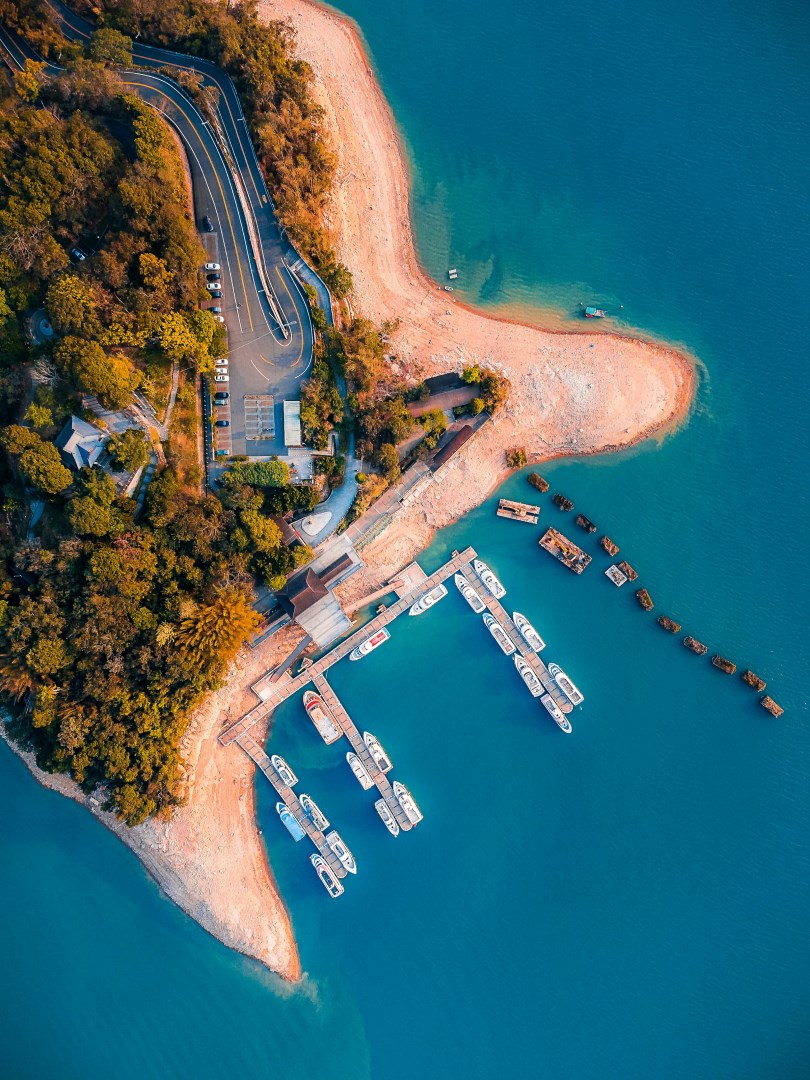

Sun Moon Lake is a mountain lake in Nantou County, central Taiwan, surrounded by forested hills and settlements. It is Taiwan's largest alpine lake and is known for the distinctive shape of its shoreline, which includes a smaller section resembling a crescent moon and a larger section associated with the sun. The lake sits within a scenic basin at an elevation of about 748 meters, creating a cooler setting than many lowland parts of Taiwan. Its waters, wooded slopes, temples, and lakeside villages make it one of Taiwan's most recognized inland destinations.
Sun Moon Lake has strong cultural connections with the Thao people, one of Taiwan's recognized Indigenous groups. Thao communities have traditionally lived around the lake, and local cultural traditions remain an important part of the area's identity. Wenwu Temple, positioned on the northern shore, is dedicated to Confucian, Buddhist, and Taoist deities and is distinguished by its large gates, halls, and hillside setting. Xuanguang Temple and Ci'en Pagoda are also notable cultural landmarks, while the surrounding settlements reflect the continuing relationship between Indigenous traditions, religious practices, tourism, and the lake environment.
The lake can be explored by boat, bicycle, walking trails, and the Sun Moon Lake Ropeway, which connects the lake area with the Formosan Aboriginal Culture Village. Xiangshan Visitor Center provides views across the water and access to trails along the southern shore. The Shuishe and Ita Thao areas serve as important lakeside centers, with piers, restaurants, and access to boat services. The surrounding hills are covered with subtropical forest and plantations, including tea-growing areas. The combination of open water, wooded mountains, and changing shoreline perspectives gives the area a varied landscape.
Food around Sun Moon Lake reflects both local Taiwanese traditions and Thao cultural influences. Ita Thao's lakeside market is known for Indigenous foods and snacks, while visitors can find dishes featuring mountain vegetables, freshwater fish, bamboo shoots, and locally grown produce. Assam black tea is another important regional product, with tea plantations around the lake producing a variety valued for its rich flavor. The lake is also associated with annual swimming and cycling events that attract participants from across Taiwan. These activities, together with Indigenous culture and tea production, add distinctive local details to the lake experience.


Email:
Phone: 972-346-3612

Email:
Phone: 972-346-3612